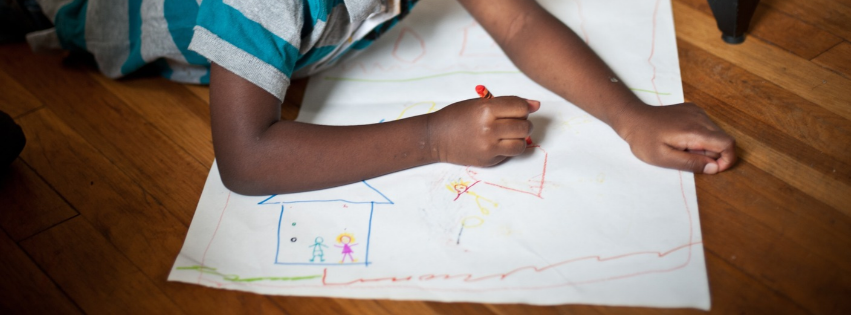
In the 1980s, while tutoring children at the Franciscan Youth Center in Baltimore, Ruth Ann Norton met many children like a little boy we might call “Eddy.” Eddy loved stories and wanted to succeed in school. He was curious and loved looking up new vocabulary words in the dictionary and using them at school the next day. Even with his persistence and wonderment, reading was still a struggle. The words seemed to drift across the page, and concentrating felt harder than it should have been. At first, it seemed like an academic challenge. But when Norton walked children like Eddy home after tutoring, she discovered a deeper problem.
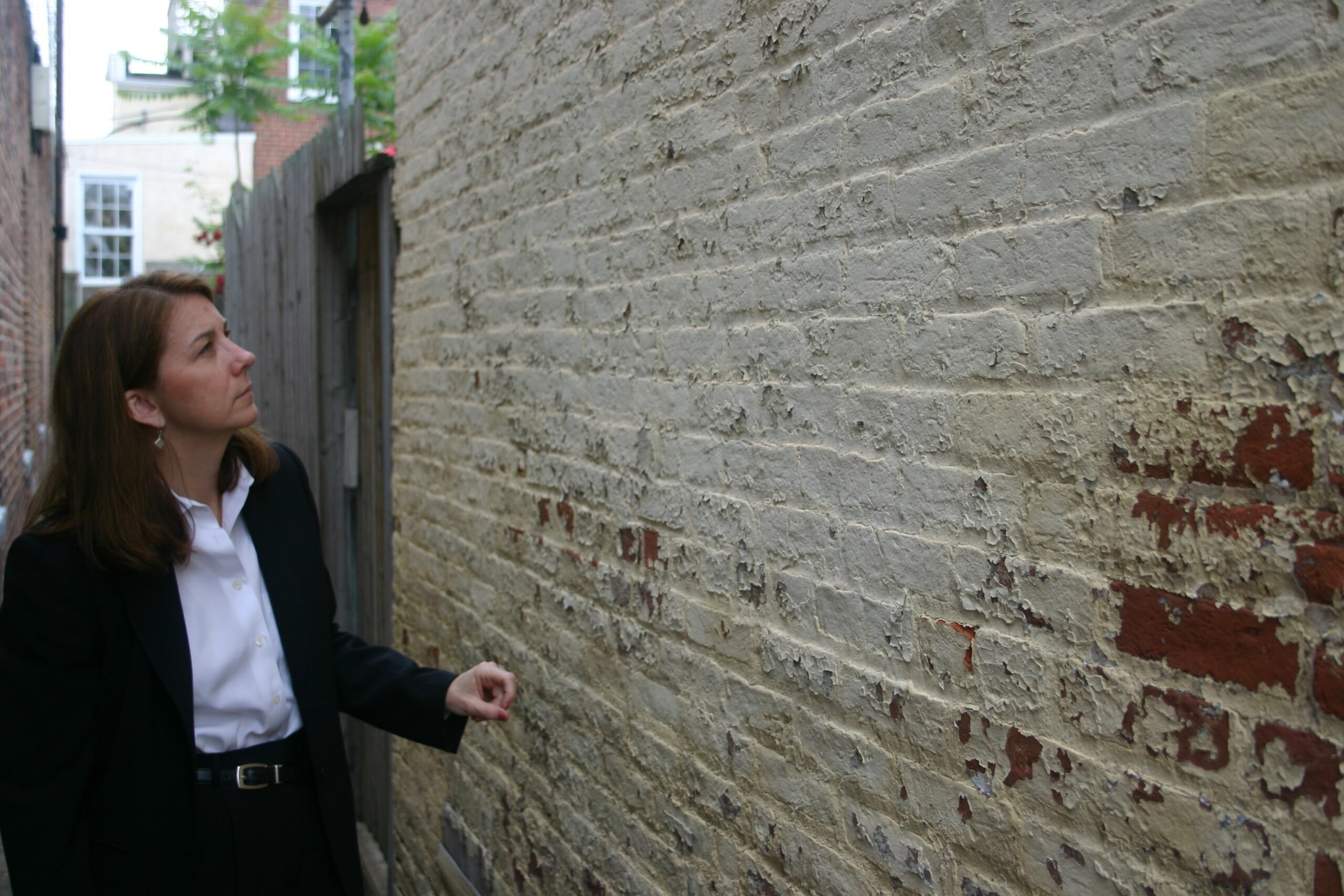
Paint peeled from the walls; appliances were broken, and the homes themselves seemed less like shelters and more like cracked flowerpots trying to protect the seeds growing inside them. Norton later learned that many of the children and their families were suffering from lead poisoning caused by toxic housing conditions. The invisible danger in their homes was causing irreversible health and developmental harm, making it harder for children to learn, focus, and thrive.
What Norton realized was profound: the children were not failing because they lacked intelligence, determination, or support. They were like young saplings trying to grow in poisoned soil. Teachers could water them with knowledge, families could nurture them with love, and communities could provide sunlight through opportunity. But if the soil itself was toxic, their roots would struggle to grow strong.
Determined to help Baltimore’s children get healthy and succeed in school, Norton began the work that would eventually become the Green & Healthy Homes Initiative (GHHI), whose programs eventually reduced childhood lead poisoning rates from as high as 20–80% down to just 0.3% in participating neighborhoods, while also leading to a major drop in hospitalizations. Rather than focusing only on the symptoms Norton saw in the classroom, GHHI set out to heal the soil itself—to motivate Baltimorean leaders to rise, address the unsafe housing conditions, and empower children and families across Baltimore.
Lead poisoning remains a serious public health concern in Baltimore, where thousands of children continue to face the risks of exposure. Many of these homes are situated within the confines of historical redlines (racial zoning orders that explicitly banned African Americans from moving into majority-white neighborhoods), which have confined Black Baltimoreans into neighborhoods with limited opportunities for economic prosperity and thus, decent-quality housing.
Even low levels of lead exposure can harm children’s developing brains, affecting learning, memory, attention, and problem-solving skills. However, lead poisoning is more insidious than just being exposed to old, chipped paint on the walls. The CDC National Center for Environmental Health also identifies contaminated dust, soil, and drinking water as common sources of lead exposure in young children. As old paint deteriorates, it creates lead dust that can contaminate household surfaces, toys, and other objects. Children often ingest this dust when they put their hands or toys in their mouths. Consequently, paint can contribute to exposure through dust and soil, not just through direct contact with painted surfaces.
To address the most severe childhood lead poisoning cases, Dr. Julian Chisolm and the Kennedy Krieger Institute in Baltimore developed chelation therapy as an important medical advancement to treat children with high lead poisoning levels and prevent lead exposure in underserved communities. In 1995, its Community Lead Poisoning Prevention and Treatment Center was recognized for combining chelation therapy with housing relocation of resource assistance. As children returned to toxic homes or moved to other hazardous housing, sadly, many children experienced repeated lead exposures in Baltimore. To combat this previously intractable problem, GHHI developed new resources, raised awareness of the issue, and organized rallies in Annapolis to spur action on primary prevention, drawing more than 400 attendees.
By addressing unsafe housing conditions and advancing healthier, more equitable homes, GHHI works toward a future in which a child’s health and potential are no longer determined by their neighborhood or the condition of their home. Eradicating lead poisoning requires more than treating its effects; it requires confronting the underlying housing inequities that allow exposure to persist.
As the impacts of childhood lead poisoning became increasingly apparent in Baltimore’s neighborhoods, Norton recognized the need for coordinated action and brought together a broad coalition dedicated to protecting children from lead exposure.
In April 1994, she helped launch a citywide effort to address the lead poisoning crisis, bringing together community advocates, public health leaders, policymakers, and housing stakeholders. Their collective efforts contributed to the passage of the landmark Maryland Reduction of Lead Risk in Housing Law in 1994. The law established:
“…mandatory lead hazard reduction measures, pre-occupancy rental inspection certification, property registration and lead poisoning prevention pamphlet distribution requirements for all pre-1950 rental properties in Maryland.” Highlighted Legislative and Policy Accomplishments – 2026, Green Homes and Healthy Initiatives, 7.
As a result, Maryland became the first state in the nation to require proactive inspections for lead hazards in rental properties. The law requires owners of rental properties built before 1978 to reduce lead hazards, obtain inspection certification before tenants move in, register their properties, and provide tenants with a pamphlet on lead poisoning prevention.
The coalition pioneered proactive rental inspections, held property owners accountable for maintaining safe housing conditions, and recognized landlords who met healthy housing standards. Over time, its efforts expanded beyond lead remediation to address additional housing-related health risks, including mold, asthma triggers, carbon emissions, safety hazards and other home-based environmental health hazards, helping to create healthier homes and stronger communities across Baltimore.
By 1997, with support from family foundations, GHHI launched a pilot program intended to improve 300 homes, and ultimately reached 556 low-income city households, helping lay the groundwork for a broader national movement focused on safe and healthy housing in historically under-resourced communities.
GHHI has helped make significant progress in reducing childhood lead poisoning, with rates in participating neighborhoods reportedly falling from 20–80% to just 0.3%. Baltimore has also seen a dramatic long-term decline in children with high blood lead levels.
According to the Maryland Department of the Environment’s 2024 Elevated Blood Lead Level Charts, about 12% of Baltimore City children under six who were tested (1,100 of 9,075) had elevated blood lead levels, defined as [3.5] µg/dL or higher. Statewide, the rate was about 4% (2,351 of 59,138). In other words, Baltimore accounted for roughly 15% of Maryland children tested but nearly half of those with elevated levels at the lowered CDC lead reference level. Severe cases, however, have fallen dramatically: the number of Baltimore City children with blood lead levels of 10 µg/dL or higher dropped from 12,908 annually in 1993 to 156 in 2024, a decline of 99%.
These improvements highlight the progress made in preventing childhood lead poisoning and the importance of continued testing, primary lead prevention, and healthy housing efforts.
Currently, the organization takes a more holistic approach by focusing on both the condition of homes and the health of the families living in them, working to improve comfort, safety, energy efficiency, and the overall value of homes through an integrated housing intervention model (Whole House).
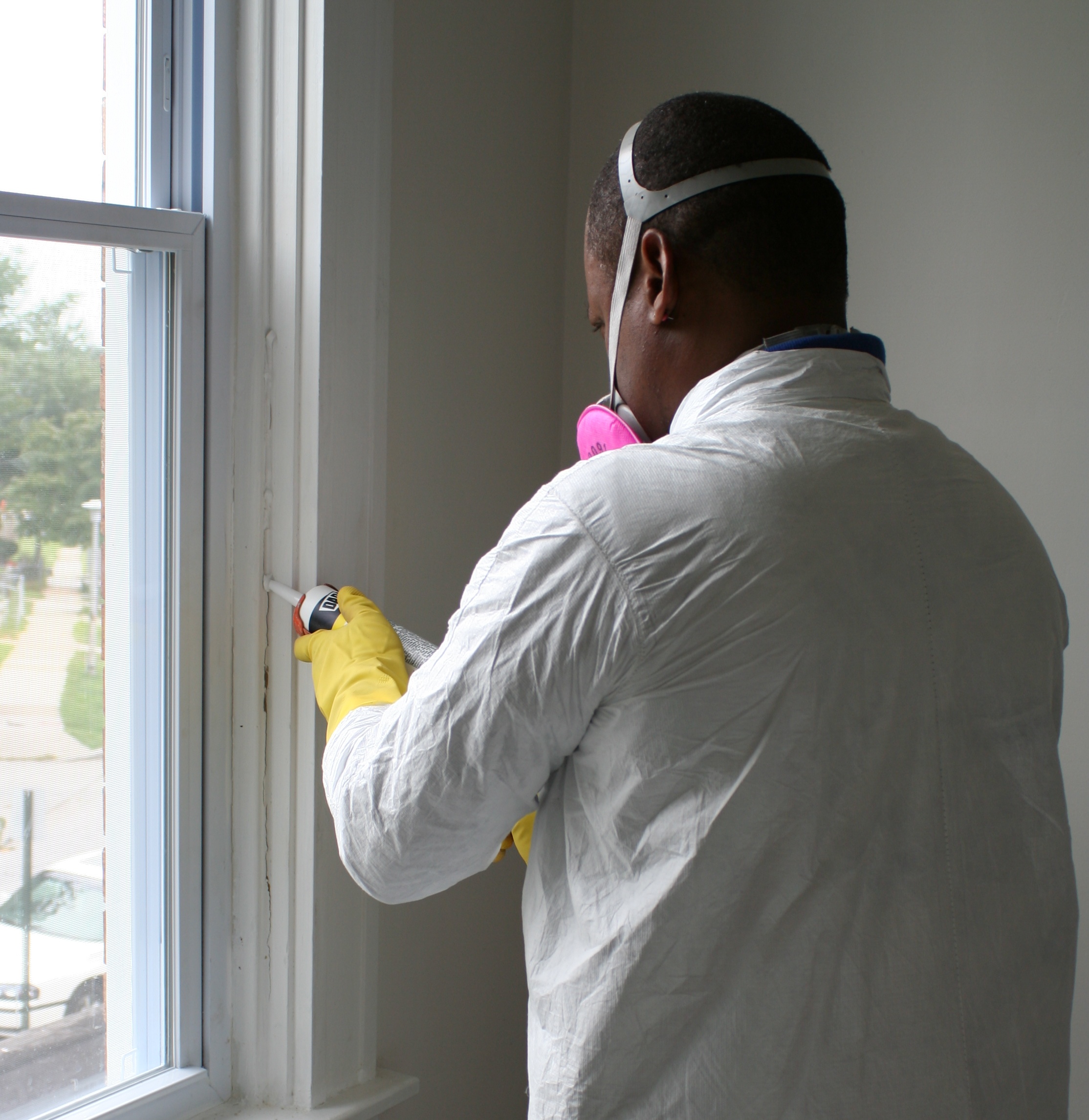
For example, many residents live in poorly weatherized homes, and some families are forced to use their stoves for heat during the winter, increasing the risk of carbon monoxide poisoning and other health issues. Consequently, the organization expanded weatherization and energy efficiency programs, which help make homes safer, more affordable and more comfortable by reducing energy costs, heat loss and air leaks through insulation, air sealing, better ventilation, and upgraded heating and cooling systems.
In addition, GHHI evolved their mission to include workforce development programs, like the Green Jobs Community Resident Training Program which provides training and stipends to local, community members (including people returning from prison) who are given the tools and experience to compete in the new green economy while both increasing their household income and making an impact by addressing home-based environmental health hazards and energy loss in homes in the communities where they live.
Norton encourages leaders to recognize how deeply these environmental injustices are rooted in communities and to continue to take action. This is why GHHI engages in policy advocacy, educates policymakers, and shares its learnings with other states to help them replicate successful initiatives and ensure that all Americans have access to healthy housing, regardless of socioeconomic status.
Moreover, they have drafted and passed numerous state and federal laws regarding lead poisoning prevention and healthy housing standards. Highlights of their work include:
By establishing national healthy housing standards, expanding resources to grassroots organizations, and helping governments adopt more comprehensive housing strategies, GHHI continues to advance its mission of ensuring that all Americans—regardless of race or income—have access to safe, healthy homes.
Since 2014, the William J. and Dorothy K. O’Neill Foundation has partnered with GHHI to improve the lives of Baltimore families affected by lead poisoning and unsafe housing conditions. Through a combination of general operating and project-based support, the Foundation has played a role in helping GHHI expand its impact and advance healthier living environments across the city.
Building on this long-standing partnership, the Foundation’s Environmental Justice Team has worked with GHHI since the launch of the Family Interest Grantmaking Program to support efforts focused on creating and sustaining healthy homes, whose “grantmaking is grounded in partnering with the communities that are most deeply challenged by environmental issues and leveraging resources effectively at both the grassroots and national level.”
The work of GHHI demonstrates that environmental sustainability and social equality are deeply interconnected. The conditions people live in shape their health, educational outcomes, economic opportunities, and overall quality of life. In Baltimore, decades of disinvestment and discriminatory housing policies left many families exposed to unsafe housing conditions that contributed to lead poisoning, asthma, and other serious health challenges. Addressing these deeply rooted inequities requires more than a single organization; it requires collective action.
As Norton explains, “We want to empower more groups who are on the ground to grow… We’re an organization that started with one staff person and seventeen thousand dollars—because we had a desire to change the pathway for children in our community.”
What began in Baltimore has grown into the nation’s largest nonprofit focused on healthy housing. GHHI has raised more than $700 million for organizations across the country to support healthy housing initiatives. It has also provided technical assistance and guidance to more than 100 cities nationwide and helped advance innovative programs and legislation at the local, state, and federal levels.
Through healthier housing initiatives, energy-efficiency programs, workforce development, and environmental justice advocacy, GHHI has shown that improving homes can also strengthen entire communities. Its work reminds us that housing is far more than shelter—it is a foundation for public health, stability, and opportunity.
For children like Eddy, a safe home can mean the difference between struggling against invisible barriers and having the chance to fully realize their potential. When the soil is healthy, the sapling can grow. By creating homes free from environmental hazards, communities give children the opportunity to learn, thrive, and build the futures they imagine for themselves. Safe, clean, and energy-efficient housing should not be treated as a privilege available only to some, but as a fundamental right that helps every child, family, and community flourish.
Learn more about the impactful work of the Green & Healthy Homes Intiative by visiting their website and following them on Facebook and X.
The Environmental Justice team believes that the climate crisis affects every area of our lives, disproportionately impacting low income communities. Their grantmaking is grounded in partnering with the communities that are most deeply challenged by environmental issues and leveraging resources effectively at both the grassroots and national level.